
Leveraging Data-Driven Insights to Enhance Student Performance in Nigerian Schools

Leveraging Data-Driven Insights to Enhance Student Performance in Nigerian Schools
In today’s rapidly evolving educational landscape, the need for data-driven insights has never been more critical. Nigerian schools, in particular, face the dual challenge of fostering student performance while managing administrative inefficiencies. The ability to harness data effectively can spell the difference between stagnation and growth, making it essential for school owners, administrators, and educators to embrace these insights.
The Problem: Understanding Student Performance
Student performance has many facets, from academic achievements to emotional well-being. However, many schools still rely on traditional methods, such as manual record-keeping and fragmented assessment approaches. This often leads to challenges in identifying at-risk students, understanding learning trends, and communicating effectively with parents.
Furthermore, without a centralized system to analyze data, schools may struggle to pinpoint specific areas for improvement. For instance, a school may notice a decline in performance in mathematics but lack the tools to investigate further. Are certain teaching methods ineffective? Are students struggling with specific topics? Answering these questions requires robust data analysis capabilities that many traditional systems simply cannot provide.
Challenges of Manual and Disconnected Tools
Handling performance tracking manually or with disconnected tools creates significant hurdles. Teachers may spend excessive time inputting grades into different systems, leading to errors and inconsistencies. This not only affects their workload but also prevents timely interventions for students who need support. Moreover, parents are often left in the dark about their children’s progress, leading to a lack of engagement in the learning process.
As a result, schools may find themselves trapped in a cycle of inefficiency, where data is not used to its full potential. The absence of a comprehensive view of student performance can hinder informed decision-making regarding resource allocation, teaching strategies, and student support services.
Practical Strategies for Improvement
To effectively enhance student performance, schools can adopt several practical strategies:
- Regular Assessment: Implement frequent assessments to gather insights on student learning and progress. This could include quizzes, assignments, and project-based evaluations.
- Data Tracking: Establish a system for tracking attendance, grades, and behavioral reports consistently. This allows educators to identify patterns and intervene when necessary.
- Professional Development: Invest in training for teachers on how to interpret data and apply insights to improve instructional methods.
- Parental Involvement: Foster communication between parents and teachers regarding student performance, encouraging a collaborative approach to support learning.
The Role of Digital School Management
Adopting a digital school management system is pivotal in implementing these strategies effectively. A centralized platform can streamline the process of collecting and analyzing data, offering educators valuable insights at their fingertips. By digitizing records, schools can easily manage student attendance, track academic performance, and monitor behavioral issues.
Moreover, a digital system enhances communication between parents and schools. With real-time updates on student performance and behaviors, parents can become more engaged in their children’s education, leading to better outcomes.
How Edcrib Supports Student Performance Enhancement
Edcrib School Management System stands out as a comprehensive solution that addresses these challenges head-on. With features like student records management and attendance tracking, educators can effortlessly monitor student engagement and performance. This allows for timely interventions, ensuring that no student falls through the cracks.
Additionally, Edcrib’s examination and result management capabilities enable schools to process assessments efficiently, generating detailed reports that highlight trends in student performance. This data can be invaluable in shaping instructional strategies and addressing gaps in learning.
Furthermore, Edcrib’s parent-school communication features ensure that parents receive timely updates about their children’s academic progress. This fosters a collaborative environment where everyone is invested in the students’ success.
Conclusion: Embrace a Data-Driven Future
In an increasingly competitive educational environment, leveraging data-driven insights is not merely an option; it is a necessity. By transitioning to a digital school management system like Edcrib, schools can unlock the potential of their data, enhancing student performance and fostering a culture of continuous improvement. The journey towards efficient school management and academic excellence begins with informed decisions based on reliable data.
Explore how Edcrib can help your school harness the power of data to improve student outcomes and streamline operations. Begin your journey towards a more efficient and effective educational environment today.
- October, 2026
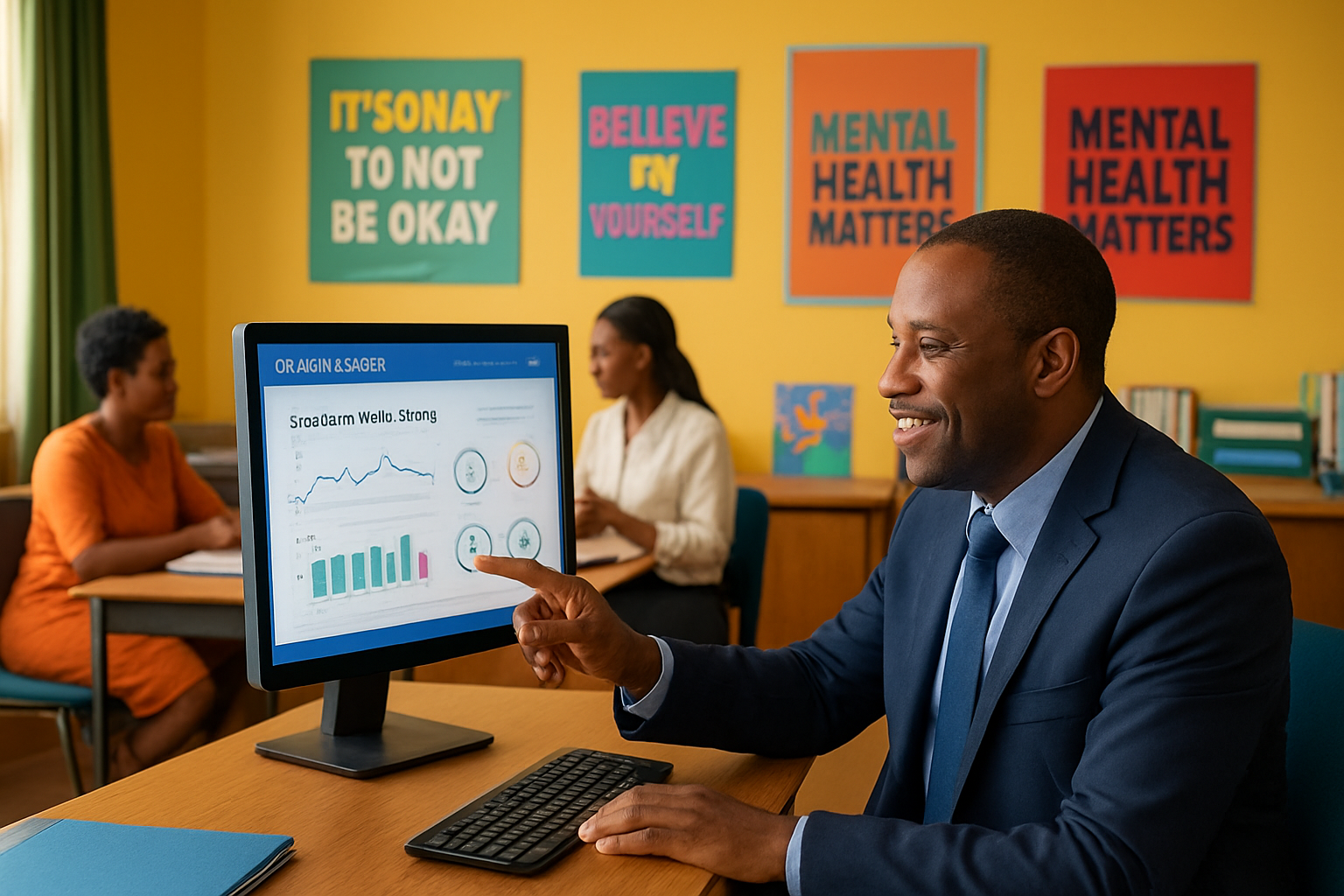
Implementing a Holistic Approach to Student Well-Being: Strategies for Schools to Support Mental Health and Emotional Resilience
Implementing a Holistic Approach to Student Well-Being: Strategies for Schools to Support Mental ...

Building a Culture of Accountability: Strategies for Empowering Teachers and Administrators in African Schools Through Collaborative Goal Setting
Building a Culture of Accountability: Strategies for Empowering Teachers and Administrators in ...
- September, 2026

Harnessing Predictive Analytics to Improve Student Retention Rates in African Schools
Harnessing Predictive Analytics to Improve Student Retention Rates in African Schools In the ...
No Comments yet!